The TP-Link USB Bluetooth Adapter review centers on the UB500 Plus, a USB add-on for bringing Bluetooth connectivity to a compatible desktop or laptop.
Bluetooth 5.3 support and a positionable antenna make it a practical option for buyers who want more flexibility than a tiny fixed dongle.
TP-Link UB500 Plus Review Summary
The quick verdict
1,000+ ratings
Read Amazon ReviewsTP-Link UB500 Plus
A fit for Windows PC owners who want Bluetooth 5.3 support and an adjustable antenna for pairing compatible devices.
- Bluetooth 5.3 with backward compatibility for Bluetooth 4.2, 4.0, 3.0, 2.1, 2.0, and 1.1.
- USB adapter intended to add Bluetooth capability to a non-Bluetooth desktop or laptop.
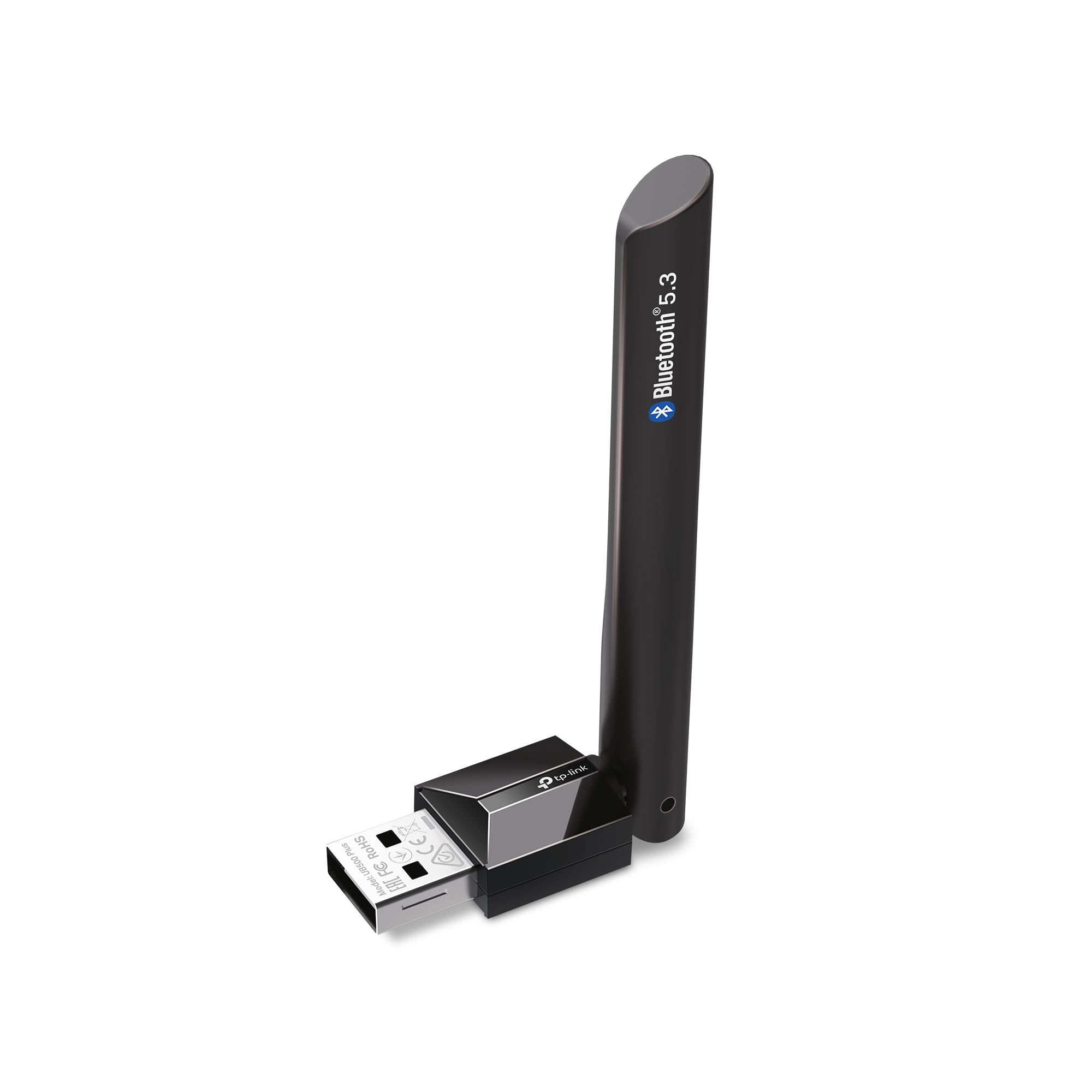
- Multi-directional antenna that can be rotated and adjusted.
- EDR and Bluetooth Low Energy support.

Pros
- Supports Bluetooth 5.3 as well as a broad range of older Bluetooth versions.
- Adjustable antenna offers more placement flexibility than a fixed-orientation design.
Consider before buying
- Windows 7 requires a separate driver download.
- Plug-and-play setup depends on an internet connection for Windows 8.1, 10, and 11.
Read the full review summary
The UB500 Plus combines support for Bluetooth 5.3 and older Bluetooth versions with EDR and Bluetooth Low Energy.
Its multi-directional antenna can be rotated and adjusted, giving you some control over its orientation when placing the adapter near a PC.
Windows 8.1, 10, and 11 are described as plug-and-play when the computer has an internet connection; Windows 7 requires a driver.
It suits someone adding Bluetooth to a Windows computer for peripherals such as a keyboard or mouse, or for other compatible devices. The antenna and broad version compatibility are the main reasons to consider it.
Check your operating system and available USB placement before buying, especially if you use Windows 7 or need the adapter to fit in a crowded port area.
The buying factors
TP-Link UB500 Plus Scorecard
Editorial scores reflect listed features and buyer fit; they are not laboratory measurements or customer ratings.
Bluetooth version support
Bluetooth 5.3 is supported, with backward compatibility listed for versions 4.2 through 1.1.
Antenna positioning
The multi-directional antenna rotates and adjusts, letting you choose its orientation for your setup.
Windows setup
Plug-and-play support is listed for Windows 8.1, 10, and 11 with an internet connection; Windows 7 needs a driver.
Device flexibility
The adapter is intended to add Bluetooth to non-Bluetooth PCs and mentions uses including keyboards and mice.
Low-energy support
Bluetooth Low Energy and EDR are included, covering two distinct Bluetooth capabilities.
Setup considerations
The operating-system and driver differences are clear, though Windows 7 users need an extra setup step.
Key Features and Specifications of TP-Link UB500 Plus
- Bluetooth 5.3 with backward compatibility for Bluetooth 4.2, 4.0, 3.0, 2.1, 2.0, and 1.1.
- USB adapter intended to add Bluetooth capability to a non-Bluetooth desktop or laptop.
- Multi-directional antenna that can be rotated and adjusted.
- EDR and Bluetooth Low Energy support.
- Plug-and-play setup for Windows 8.1, 10, and 11 when the computer is connected to the internet.
- Windows 7 support requires a driver download.
Pros and Cons of TP-Link UB500 Plus
Pros
- Supports Bluetooth 5.3 as well as a broad range of older Bluetooth versions.
- Adjustable antenna offers more placement flexibility than a fixed-orientation design.
- Supports both EDR and Bluetooth Low Energy.
- Windows 8.1, 10, and 11 setup is described as plug-and-play with an internet connection.
Consider before buying
- Windows 7 requires a separate driver download.
- Plug-and-play setup depends on an internet connection for Windows 8.1, 10, and 11.
- The adjustable antenna needs room to rotate, so check clearance around the USB port where you plan to use it.
Who Should Buy TP-Link UB500 Plus?
Good fit
Consider the UB500 Plus if your Windows desktop or laptop lacks Bluetooth and you want to connect compatible accessories such as a keyboard or mouse.
Bluetooth 5.3 support and backward compatibility make it relevant when your devices span different Bluetooth generations.
The antenna is a useful design detail if the computer sits in a spot where orientation matters.
Before ordering, confirm your Windows version, make sure you can provide internet access for the described plug-and-play setup, and check that the antenna can move freely where the adapter will sit.
Who should skip it
Skip it if you need a Bluetooth adapter for an operating system other than the supported Windows versions listed here, or if you cannot install a driver on a Windows 7 computer.
Look for another form factor if your USB port location leaves no room to adjust an antenna. The product's design is most useful when you can position it as intended.
TP-Link UB500 Plus review: fit, setup, and antenna design
Bluetooth compatibility for mixed devices
Bluetooth 5.3 is the headline version, while backward compatibility extends to versions 1.1 through 4.2. That range can make the adapter a reasonable bridge for a PC used with accessories from different generations.
Compatibility still depends on the particular device and its own requirements, so check those before assuming a pairing will work.
An antenna you can position
The multi-directional antenna rotates and adjusts, allowing you to change its orientation instead of leaving it fixed.
That flexibility may help when the computer or USB port is awkwardly positioned, but the product details do not quantify real-world range.
Think of the adjustable design as a placement option rather than a guarantee of coverage in every room.
Windows setup and driver needs
Windows 8.1, 10, and 11 are described as plug-and-play when the computer is connected to the internet. Windows 7 requires a driver download, which adds a preparation step.
Confirm that your computer runs a supported version and that you can complete the relevant setup before relying on the adapter for everyday peripherals.
EDR and Bluetooth Low Energy
EDR and Bluetooth Low Energy are both listed, with the product description associating them with data transfer and power consumption.
These features broaden the adapter's stated Bluetooth capabilities, but they do not establish a particular speed or battery-life result for connected devices. Consider whether the accessories you plan to use support the modes you need.
Alternatives to TP-Link UB500 Plus
Bluetooth Network Adapters alternative
3,000+ ratings
Read Amazon ReviewsSABRENT BT-UB40 USB Bluetooth 4.0 Micro Adapter
Choose the TP-Link if Bluetooth 5.3 support and a positionable antenna suit your PC setup.
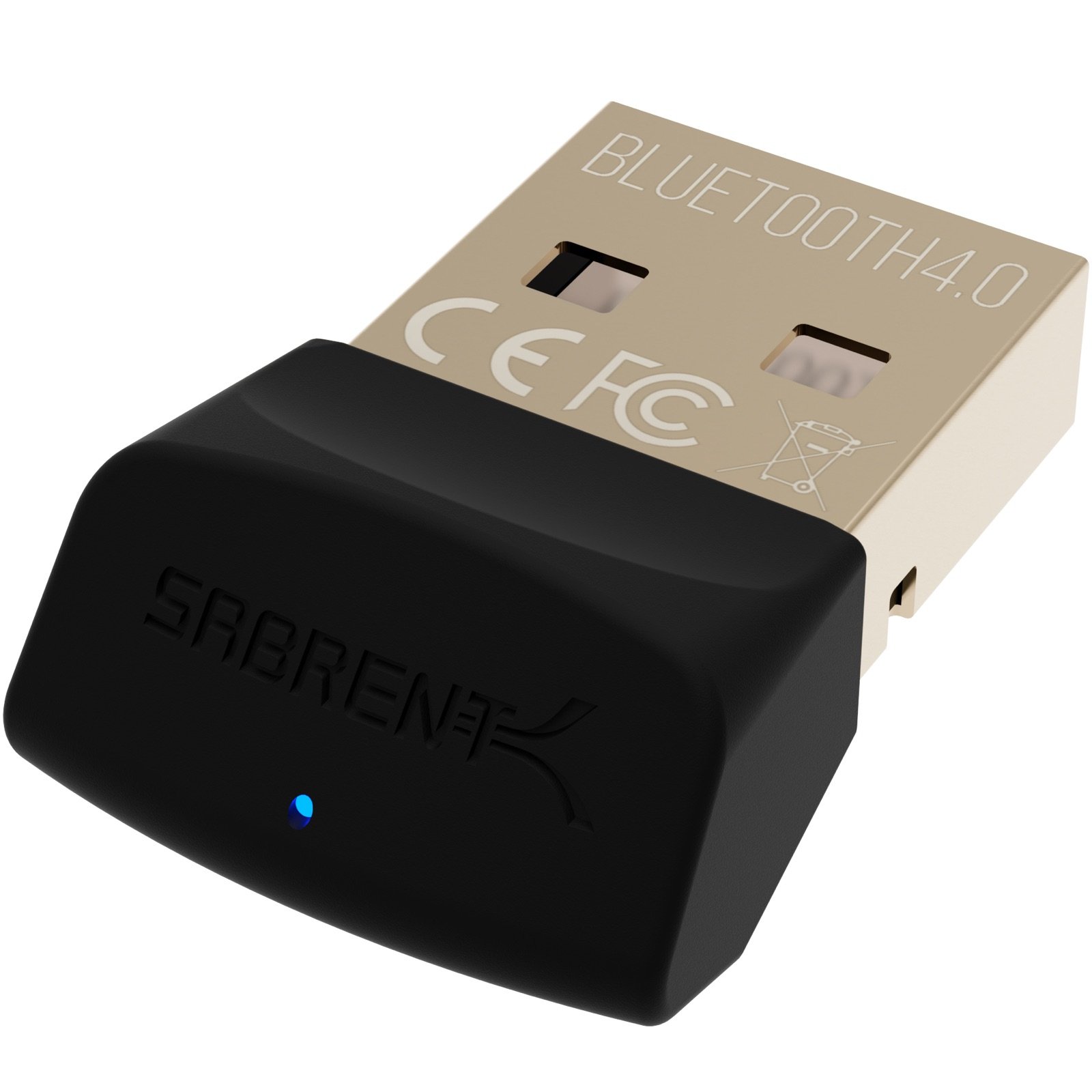
The SABRENT is a simpler alternative if Bluetooth 4.0 and its listed connectivity uses fit your needs; its details do not describe an adjustable antenna.
- The SABRENT BT-UB40 is a micro USB Bluetooth 4.0 Class 2 adapter with low-energy technology.
- Its listed compatible versions are 3.0, 2.1, 2.0, and 1.1; listed uses include connecting a headset or linking a laptop with a cellular phone.
- The TP-Link UB500 Plus supports Bluetooth 5.3, several earlier versions, EDR, Bluetooth Low Energy, and an adjustable antenna.
Is TP-Link UB500 Plus Worth It?
The TP-Link UB500 Plus is worth considering as a Windows PC Bluetooth add-on if you want Bluetooth 5.3, support for older Bluetooth versions, and an antenna you can reposition. Its clearest strengths are compatibility breadth and setup flexibility.
Check the supported Windows version, internet access for plug-and-play setup, and USB-port clearance before buying.
Windows 7 users should account for the required driver download, and buyers who do not need the adjustable antenna may prefer to weigh simpler adapter designs against their device requirements.
Your review at a glance
1,000+ ratings
Read Amazon ReviewsTP-Link UB500 Plus
A fit for Windows PC owners who want Bluetooth 5.3 support and an adjustable antenna for pairing compatible devices.
- Bluetooth 5.3 with backward compatibility for Bluetooth 4.2, 4.0, 3.0, 2.1, 2.0, and 1.1.
- USB adapter intended to add Bluetooth capability to a non-Bluetooth desktop or laptop.
- Multi-directional antenna that can be rotated and adjusted.
- EDR and Bluetooth Low Energy support.